Day 24 – Forty Three Hours

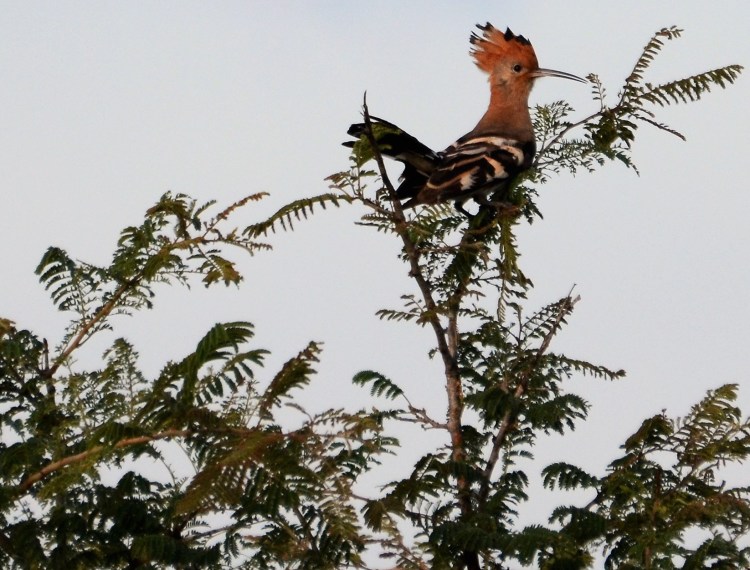
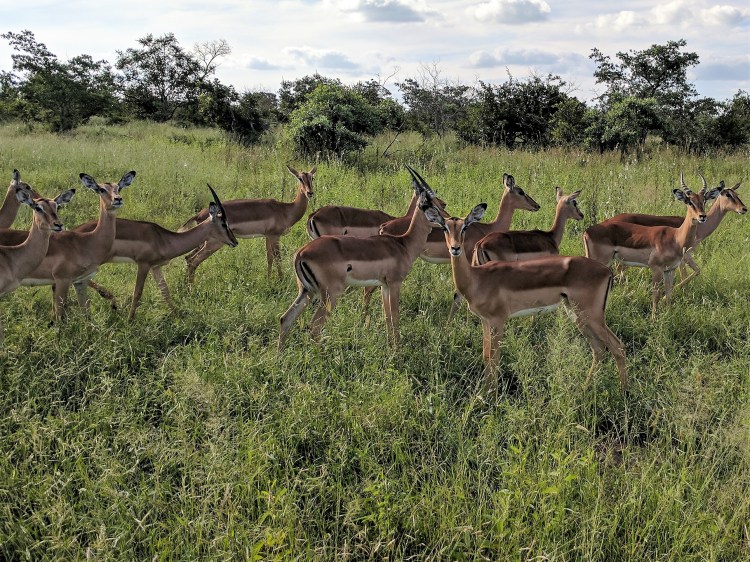
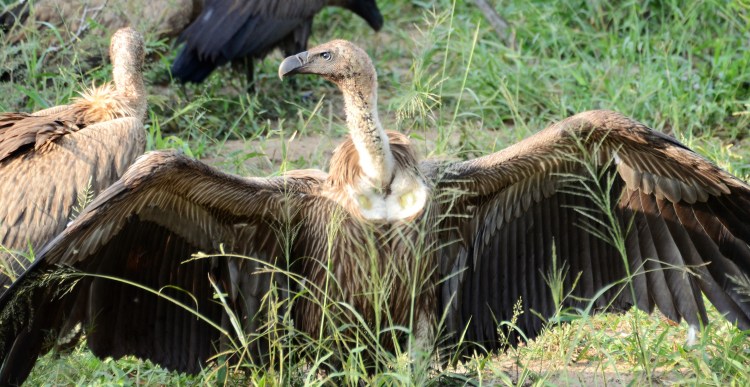
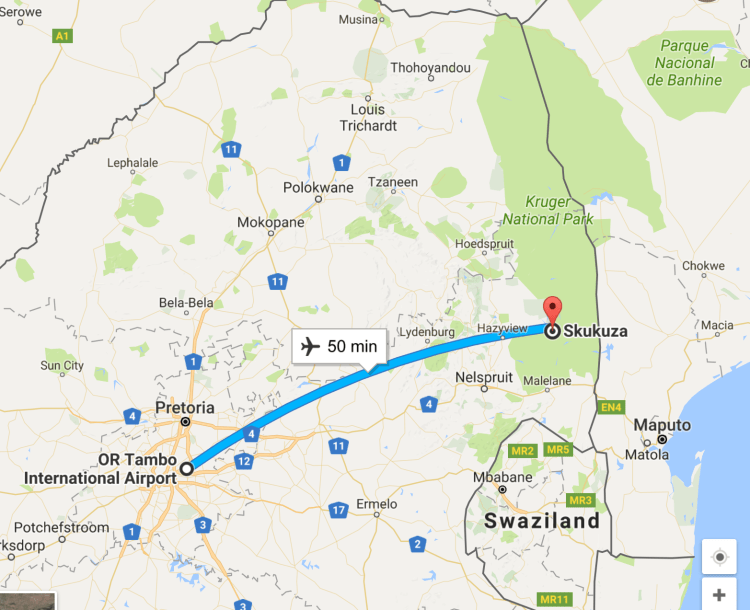
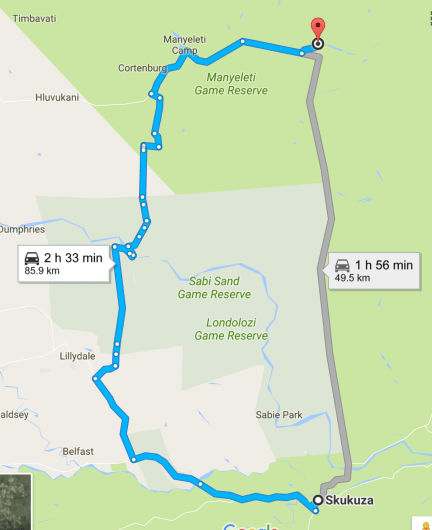
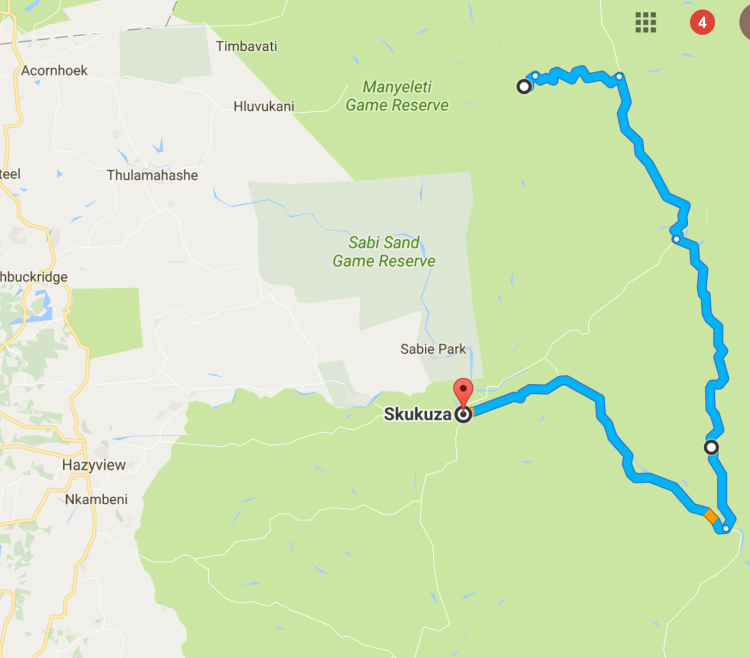
Our trip back to Skukuza airport once again created a challenge as the direct route was missing a bridge. We decided to skip our morning game drive to allow Greg to drive us through Kruger Park on much better roads and through much better scenery, but it was a 5hr drive.
Hamilton

DSC_4958

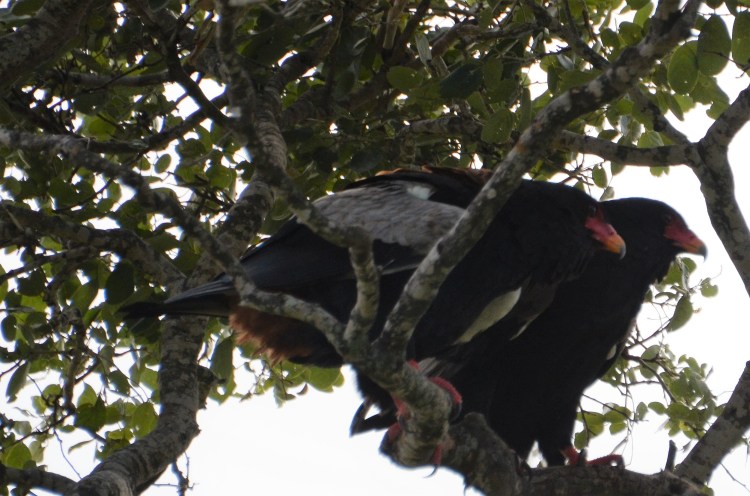
The Bateleur eagle is the most famous of the snake eagles. Bateleur is French for ‘tightrope-walker’. This name was probably chosen because of its distinctive aerial acrobatics.

Our guide had never seen Bateleur eagles mating before.
DSC_4963

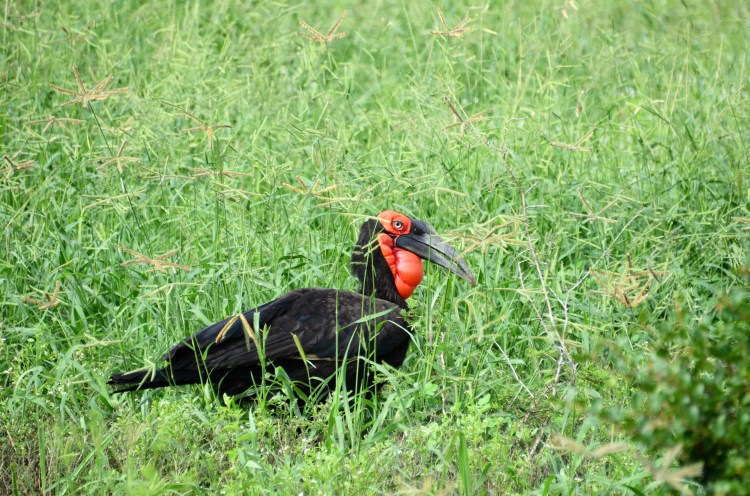
The Southern Ground Hornbills are one of the most fascinating and striking looking birds in the Kruger Park. They are very much at risk mainly due to a shrinking natural habitat and to persecution. With a population that is now estimated at around 1500 in South Africa, the species is classified as Vulnerable on the IUCN Red List. Several projects are being undertaken to conserve and protect the status of the Southern Ground Hornbill.

The Southern Ground Hornbill  is a gigantic bird (sometimes referred to as a Turkey Buzzard – although it is neither a turkey nor a buzzard), and is the largest of the hornbill species. It can grow to a height of 130cm, with the males attaining a weight of up to 6 kgs and the females being around 2 kgs lighter.  The birds are very territorial, with the entire family group of up to 10 individuals protecting a territory which can be many square miles. They are monogamous, pairing for the 30 – 40 years of their lives unless their mate dies.

These hornbills have one of the slowest reproductive rates in the bird kingdom, producing only one chick approximately every 9 years. They are co-operative breeders, with just one dominant breeding pair in a social group, and the rest of the birds being helpers. The ground hornbills are the only birds in the hornbill family which do not seal the entrances of their nests when eggs are laid. The nests, which are returned to every year, are created in crevices such as large holes in tree trunks, and are generally situated a few metres off the ground. Although 2 eggs are laid in early summer, the chicks hatch between 3-14 days apart. Only one chick generally survives, with the other starving to death. For the first month of incubating her eggs, the female is fed by both her mate and the helpers. After about 4 weeks she begins to leave the nest. Juveniles are dependent on their parents for up to one year and will stay with them for several years before leaving the social group, if at all.
DSC_4967

Ground Hornbill

DSC_4968

Waterbuck

DSC_4970

DSC_4971

DSC_4973

DSC_4974

DSC_4975

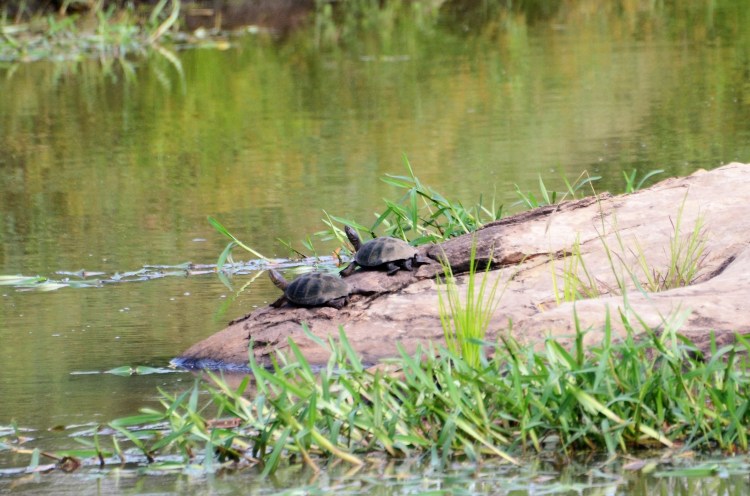
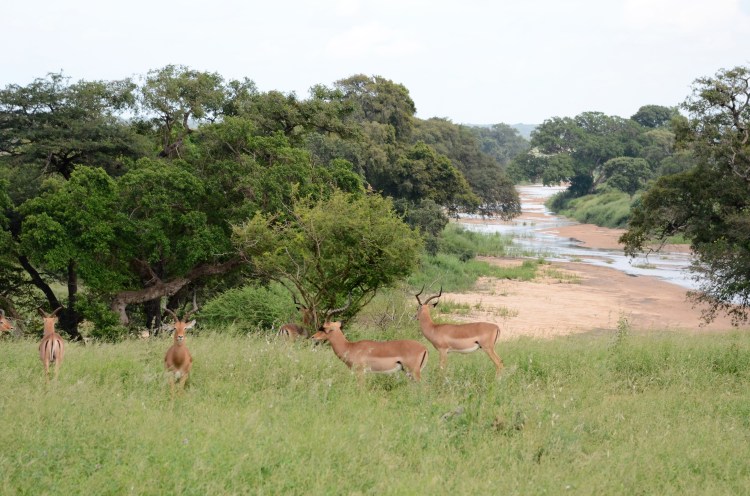
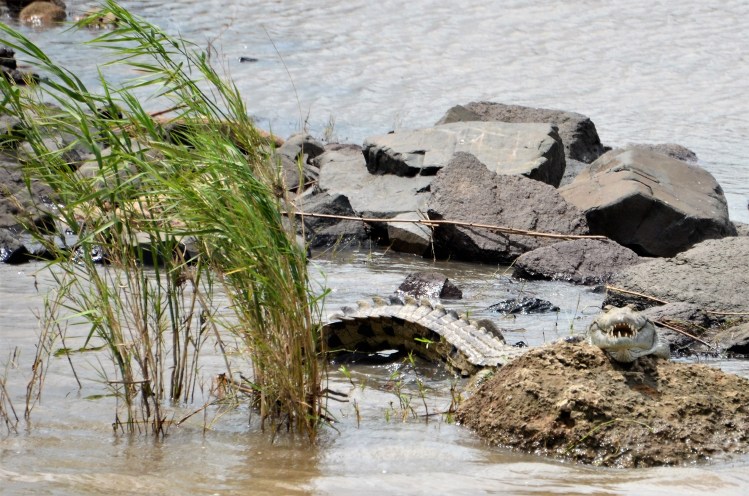
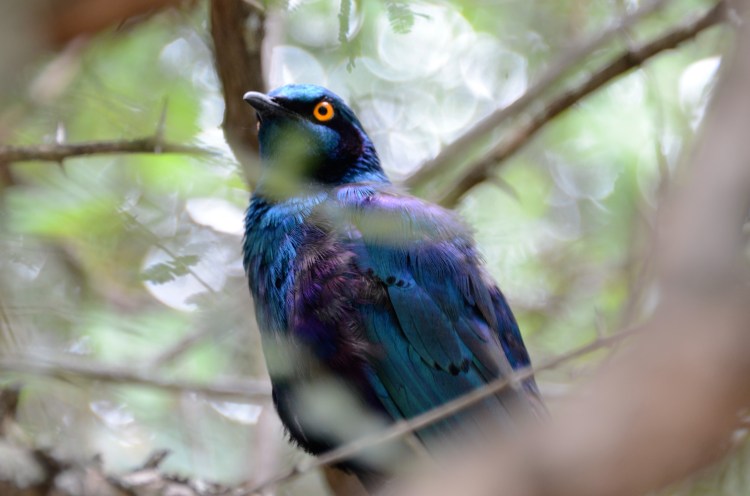
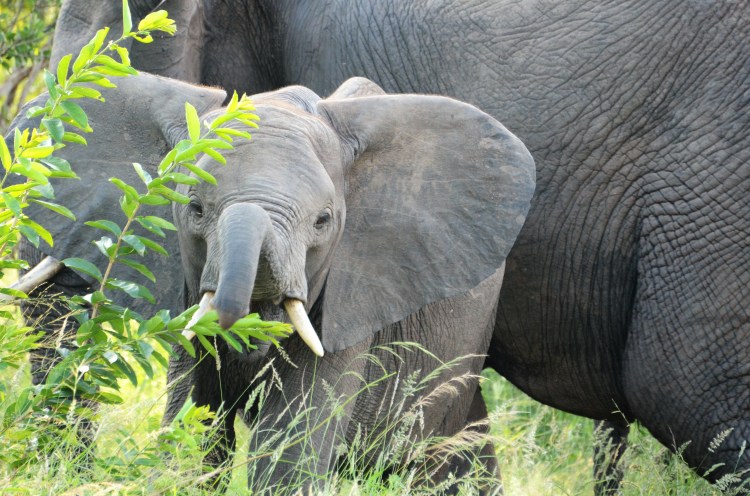
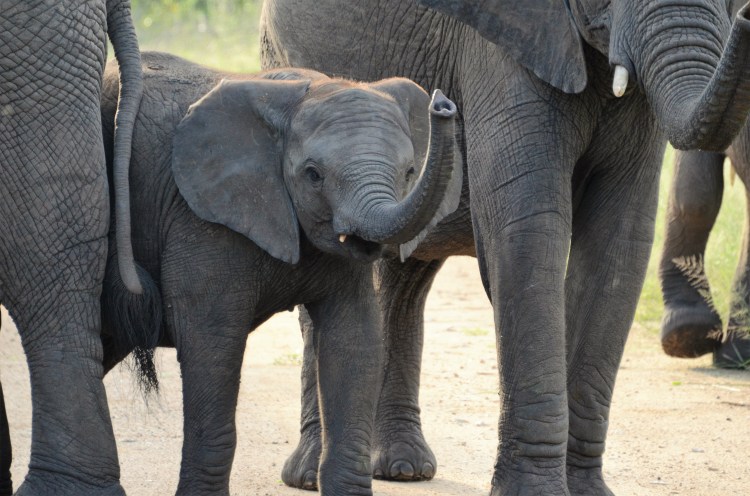
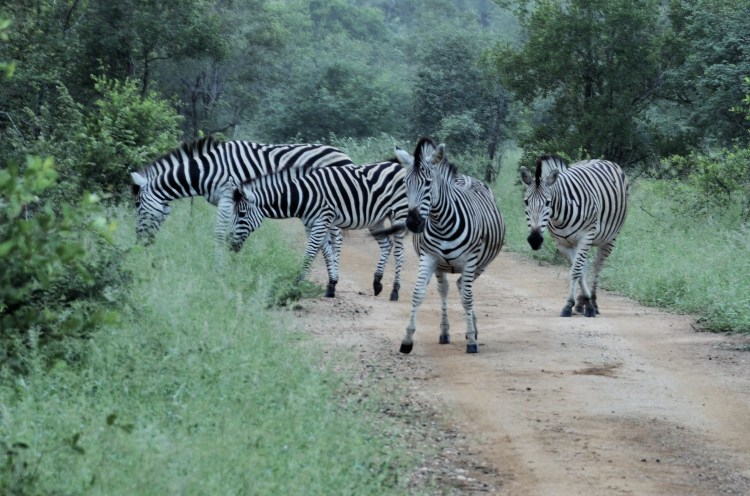
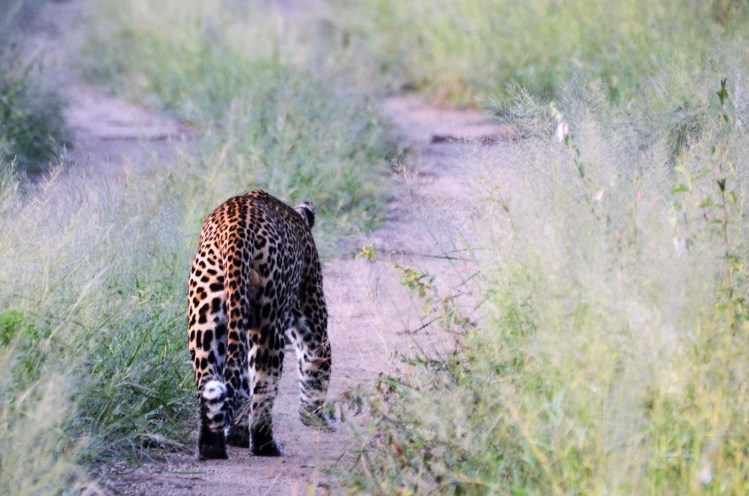
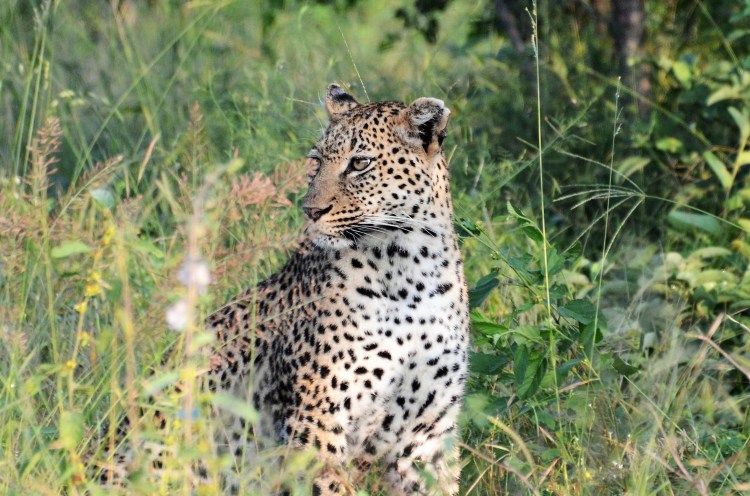
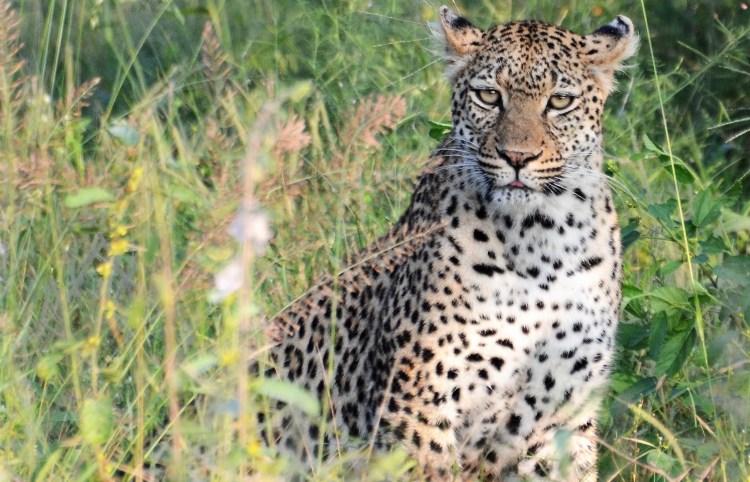
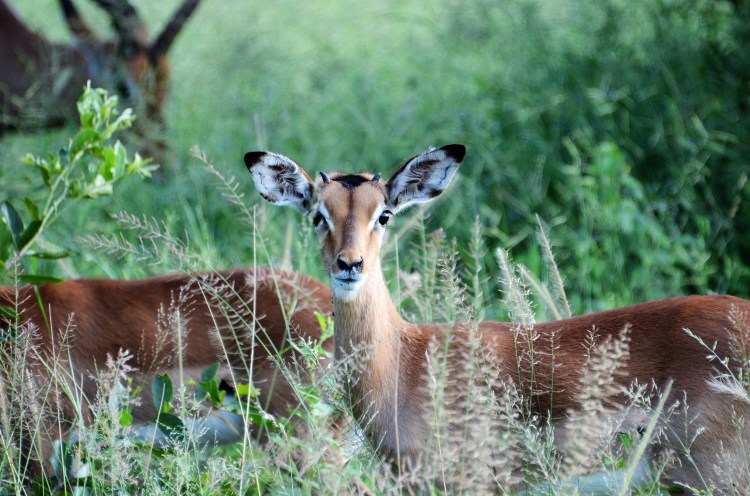
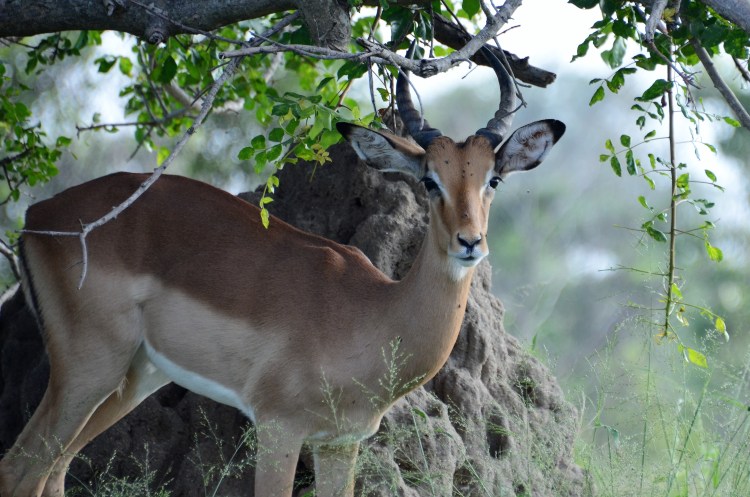
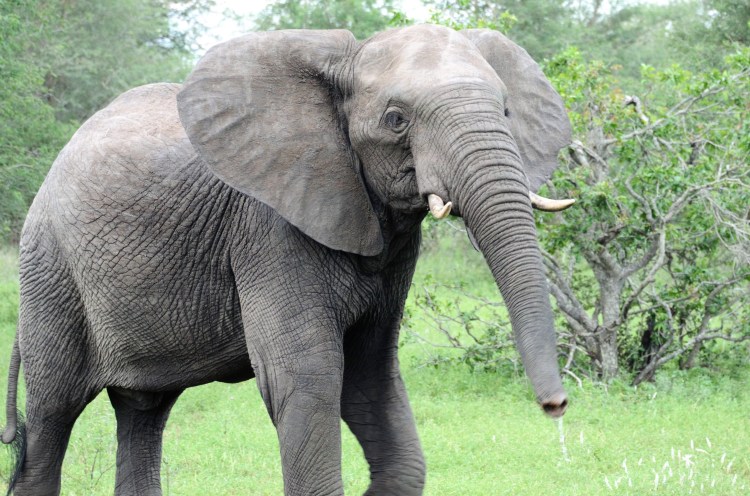
These were all sightings on our drive to Skukuza airport. It was a lovely trip even though it did take 5hrs. But that was just the first leg of our trip home. From Skukuza we flew to Joburg, then to London and finally Vancouver. In total it took 43 hours to arrive home.

I have now been to Africa 10 times and with every trip I want to return with even more enthusiasm. Thanks to our wonderful friends for being such incredible travelling companions.
 

Day 23 – Rhino for Breakfast?

Our last full day in Kruger and it didn’t disappoint. Always a wonderful variety of birds.

DSC_4951

DSC_4946

DSC_4949

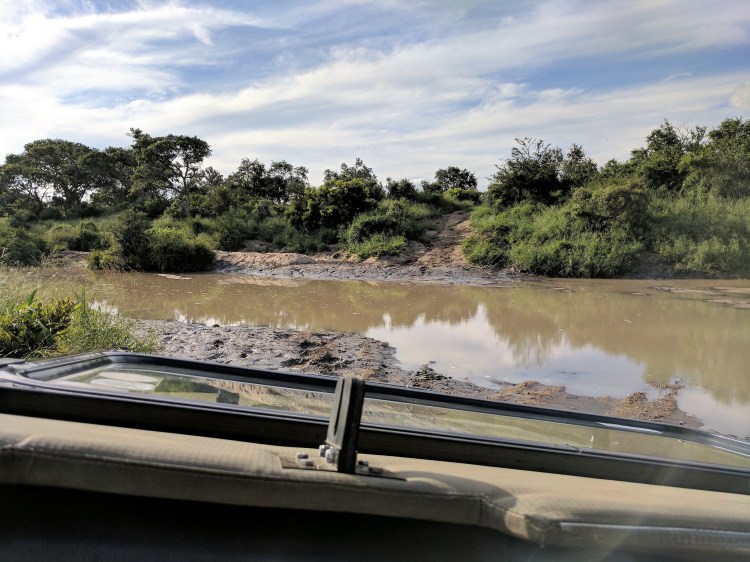
This gives you an idea how challenging it can be following the rain. We didn’t try.

IMG_20170308_163552 (2)

IMG_20170308_155417

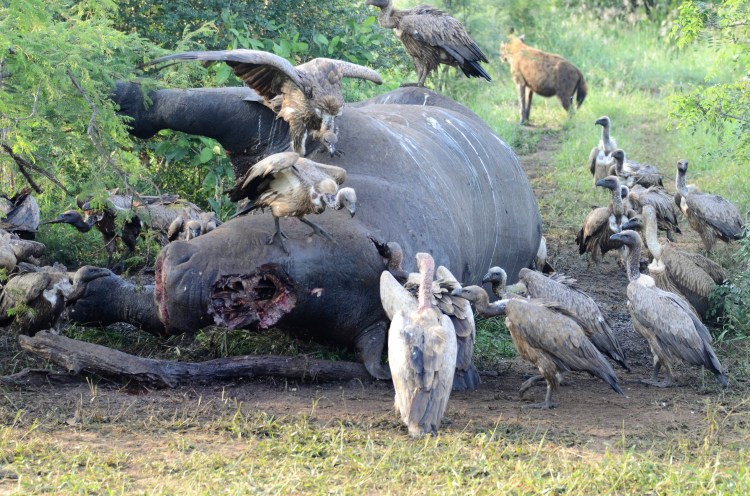
Two days ago our guide Greg removed a rhino that had died of natural causes, from a watering hole . He had to wade into the water up to his neck to get a rope around its body so they could drag it out with their Land Cruiser. They wanted to remove the horn so that poachers wouldn’t get their hands on it.

Rhino poaching has escalated in recent years and is being driven by the demand for rhino horn in asian countries, particularly Vietnam. It is used in  Traditional Chinese Medicine but more and more commonly now it is used as a status symbol to display someone’s success and wealth. As South Africa is home to the majority of rhinos in the world it is being heavily targeted by poachers. However poaching is now a threat in all rhino range states and field programmes are having to investment heavily in anti-poaching activities.

 The scarcity of rhinos today and the corresponding intermittent availability of rhino horn only drives the price higher, and intensifies the pressure on the declining rhino populations. For people whose annual income is often far below the subsistence level, the opportunity to change one’s life by killing an animal that they don’t value is overwhelming.
Poachers are now being supplied by international criminal gangs with sophisticated equipment to track and kill rhinos. Often they use a tranquiliser gun to bring the rhino down and hack of its horn leaving the rhino to wake up and bleed to death very painfully and slowly. Poachers are also often armed with guns making them very dangerous for the anti-poaching teams who put their lives on the line to protect rhinos.

What is rhino horn?

Rhino horns are similar in structure to horses’ hooves, turtle beaks, and cockatoo bills. They are made of keratin – in rhinoceros horn it is chemically complex and contains large quantities of sulphur-containing amino acids, particularly cysteine, but also tyrosine, histidine, lysine, and arginine, and the salts calcium carbonate and calcium phosphate.

Traditional Chinese Medicine

According to traditional Chinese texts, such as Li Shih-chen’s 1597 medical text “Pen Ts’ ao Kang Mu”, rhino horn has been used in Chinese medicine for more than 2000 and is used to treat fever, rheumatism, gout, and other disorders. It also states that the horn could also cure snakebites, hallucinations, typhoid, headaches, carbuncles, vomiting, food poisoning, and “devil possession.” (However, it is not, as commonly believed, prescribed as an aphrodisiac).

Rhino horn, is shaved or ground into a powder and dissolved in boiling water and consumed by the patient.

As Richard Ellis, author of “Tiger bone and rhino horn” wrote in 2005 for the EAZA Rhino Campaign’s Info Pack: “It is not clear that rhino horn serves any medicinal purpose whatsoever, but it is a testimony to the power of tradition that millions of people believe that it does. Of course, if people want to believe in prayer, acupuncture or voodoo as a cure for what ails them, there is no reason why they shouldn’t, but if animals are being killed to provide nostrums that have been shown to be useless, then there is a very good reason to curtail the use of rhino horn. There are five species of rhinoceros and, with the exception of one subspecies of African white rhino, all are in danger of being hunted to extinction for their horns. Rhinos as we know them have been around for millions of years, but Dr H. Spaiens has created a predicament from which they might never recover. It is heartbreaking to realise that the world’s rhinos are being eliminated from the face of the earth in the name of medications that probably don’t work.”

Aphrodisiac

There is a belief in the West that rhino horn is used as an aphrodisiac and sexual stimulant but this is not correct and seems to have been misunderstood or misinterpreted by Western media. However, research has shown that people in Vietnam are starting to believe this rumour as they are consuming it for new reasons.
Even without aphrodisiacal properties, however, rhino horn is one of the mainstays of TCM, and its collection has been responsible for the death of tens of thousands of rhinos around the world.

Make no mistake: those people who use rhino horn to cure medical ailments really believe it works. That’s what drives up the demand on which the poachers thrive. As Ann and Steve Toon commented in 2002, “For practitioners of traditional Asian medicine, rhino horn is not perceived as a frivolous love potion, but as an irreplaceable pharmaceutical necessity.”

DSC_4930

DSC_4927 (2)

DSC_4934 (2)

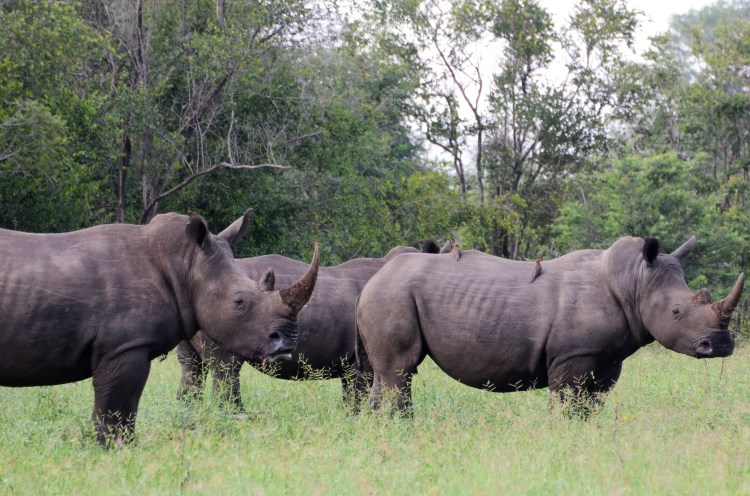
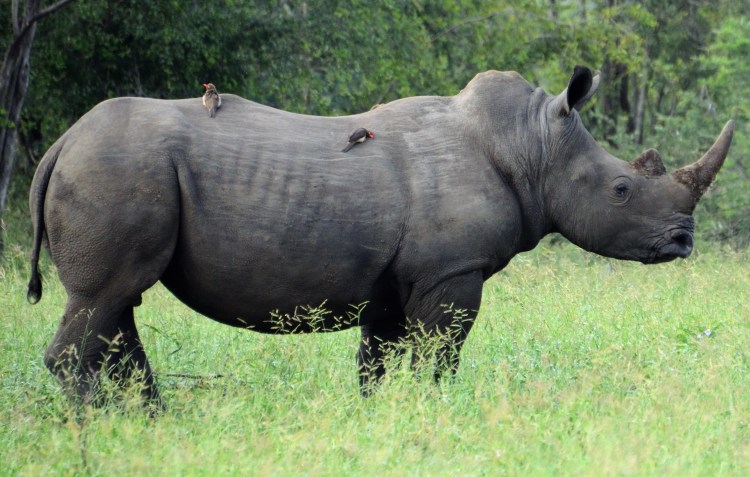
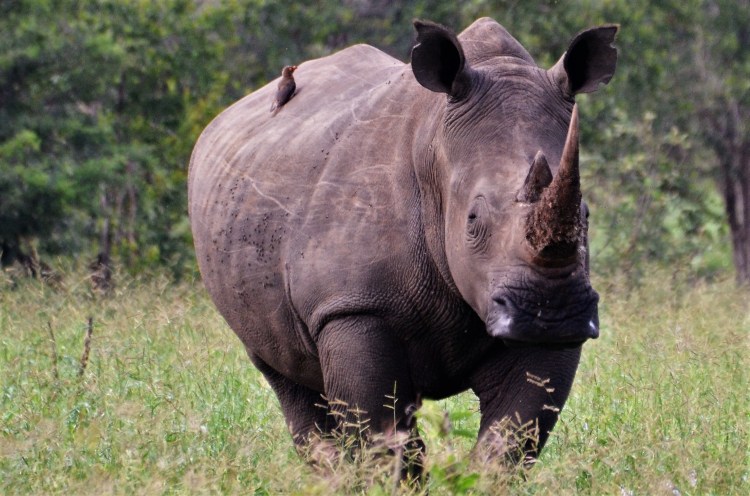
These Rhinos were 100m from where the dead rhino was found so it may have been a territorial battle that caused its death.

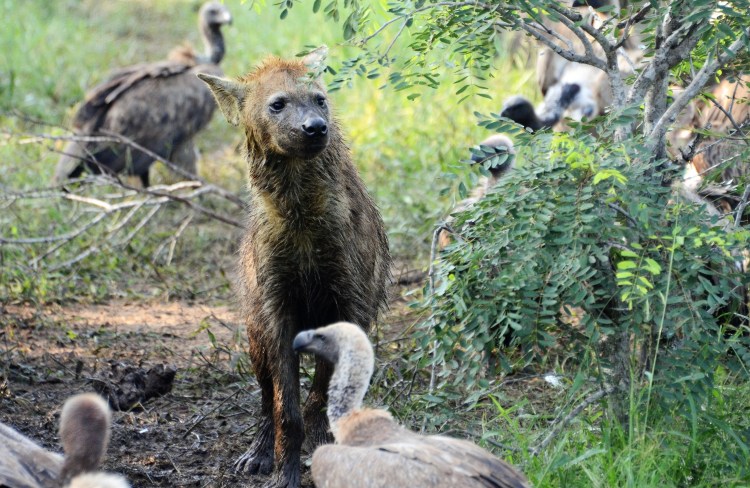
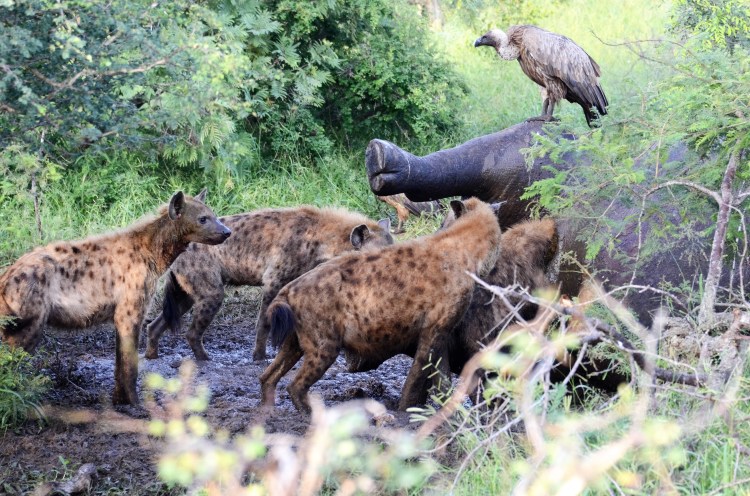
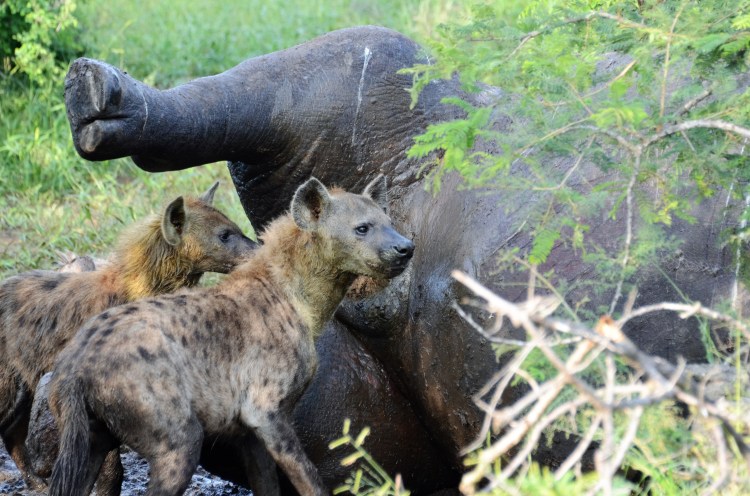
The following images may be a little unsettling but they don’t come close to the experience when you add in the stench of death.

DSC_4889

DSC_4883

DSC_4894

DSC_4885

DSC_4918

DSC_4914

DSC_4879

DSC_4911

DSC_4900

DSC_4919

Quite the morning!

Back at camp David wonders if he can eat breakfast.

IMG_20170308_093641

IMG_20170308_131259

Following breakfast back to our tent to shower and relax.

IMG_20170308_100136 IMG_20170308_100228 (2)

Our final afternoon drive at Hamiltons.
DSC_4877

DSC_4937

DSC_4939

DSC_4941

DSC_4942 (2)

DSC_4944

Beautiful evening for sundowners.

IMG_20170308_174849

They grow everything bigger in Africa.

IMG_20170308_202410

Good night.

IMG_20170308_195906

Day 22 – Hamilton Tented Camp

IMG_20170307_123323 (2)

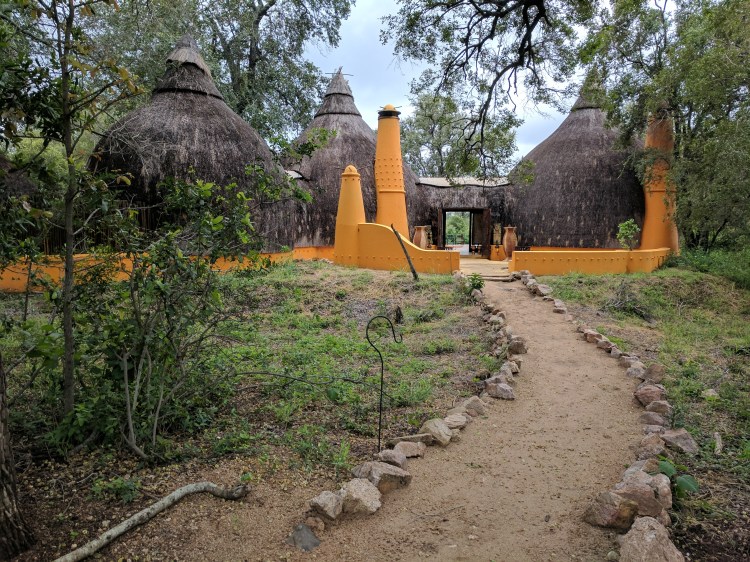
Today we packed up and moved to Hamilton Tented Camp located on the same concession as Hoyo Hoyo about a half hour drive away.

“Transport yourself back in time and to an era when the African safari was beheld as the epitome of elegance and style.”

Reminiscent of an Out of Africa experience, a stay at Hamiltons Tented Camp is one that will remain etched in memory, much like the contribution the lodge’s namesake, James Stevenson-Hamilton, made to the national park the camp now calls home more than a century on.

IMG_20170307_132513

IMG_20170307_123652 (2)

Up until two months ago this river had been dry for two years

IMG_20170307_201010

Day 21 – The Big Five & some little ones


DSC_4792

We were up at 5:00am for coffee and rusks before heading out on our morning game drive. Last night the river bed in front of our camp was dry, this morning it was a flowing river due to the heavy rain two days earlier.

It was a productive morning but this gives you an idea how difficult it was to spot game due to thick high grass.


DSC_4729

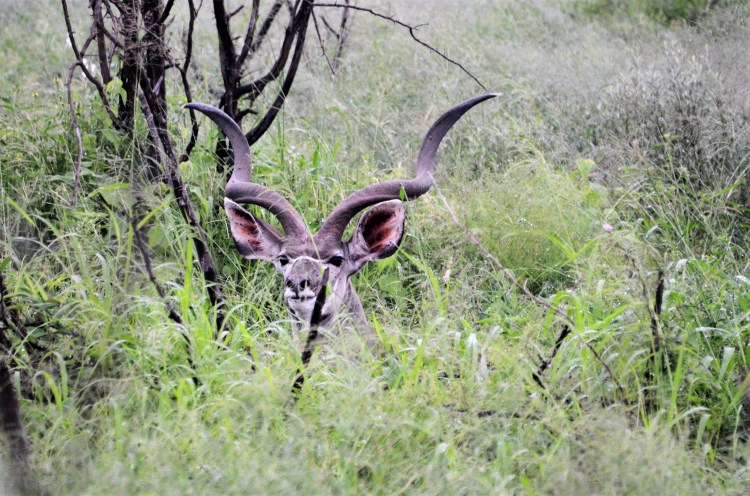
Male Kudu


DSC_4734 (2)

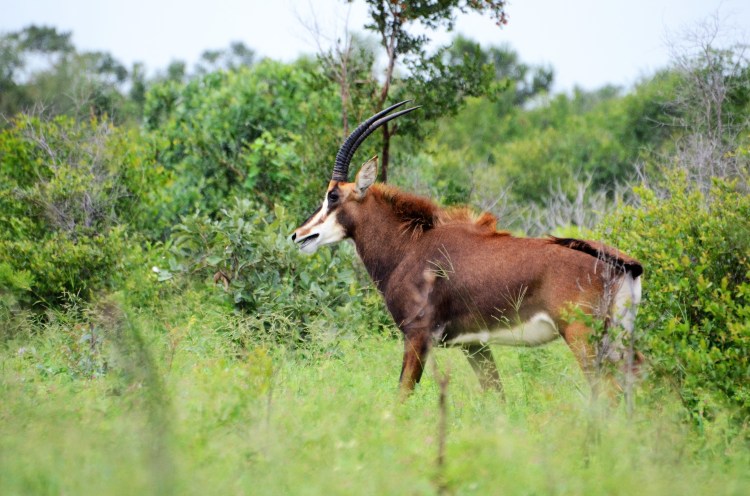
A Sable that was there and then gone!

DSC_4770

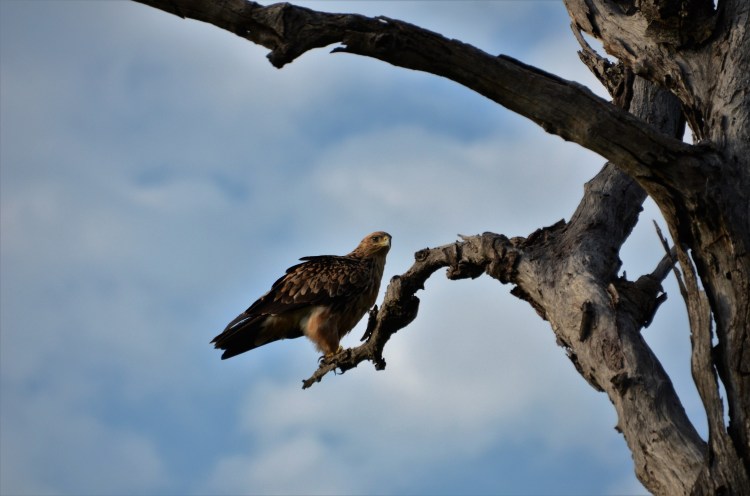
Snake Eagle

DSC_4762

DSC_4758

DSC_4755

DSC_4774

DSC_4794 (2)

DSC_4795

DSC_4798

DSC_4829 (2)

DSC_4828 (2)

DSC_4813 (2)

DSC_4812 (2)

DSC_4811 (2)

DSC_4830 (2)

DSC_4831 (2)

DSC_4849 (2)

This was a dry river bed for 2 years up to  a couple of months ago

Next up was a pair of copulating lions. Lions have very high copulation rates. The female may mate approximately every 15 minutes when she is in heat for three days and nights without sleeping, and sometimes with five different males. This often leads to physical exhaustion of males when only a one or two are involved. Males periodically sniff female reproductive organs for signs of oncoming estrus and if these signs are detected, they will follow a female until she is ready to mate. Females may signal their interest in mating with elaborate tail movements and by “walking sinuously past” a male. “Oral sex” occurs as foreplay-female lions may lick and rub the male’s genitals. When the African lion female has gotten the male’s attention, she crouches into the mating position, her belly pressed to the ground and tail to one side, and copulation occurs for five to twenty seconds. During mating males often bite the female at the nape of her neck and the act often ends with the female snarling with bared teeth at the male.

DSC_4839 (2)

Enter a caption

DSC_4838 (2)

Exhausted

DSC_4841

DSC_4844 (2)

Well that was quite the morning and to top it off we had our first cell signal when we stopped for coffee. 🙂

IMG_20170307_080215 (2)

And walking down he path was……IMG_20170307_080526

Didn’t expect to see this little fellow.

Arriving back at camp for breakfast.

IMG_20170306_104404

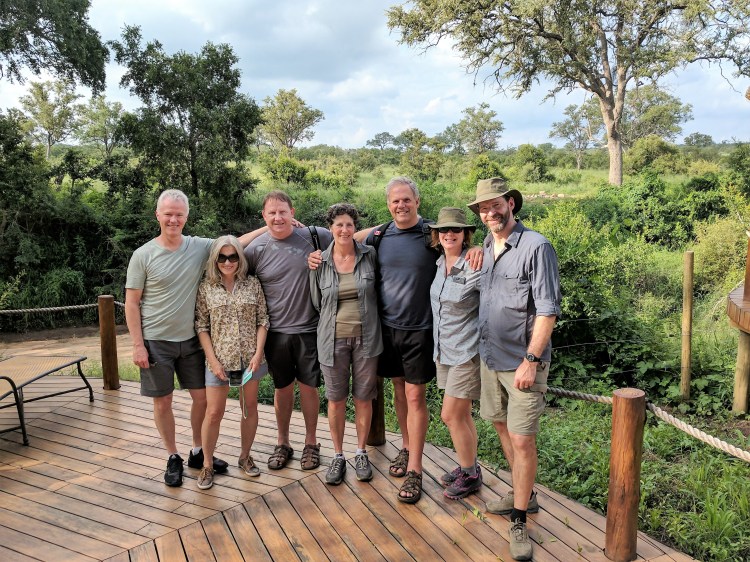
The motley crew ready for our afternoon game drive.

IMG_20170306_155913

Can you believe that our guide spotted this from our moving vehicle?

DSC_4850

We were 30m away.

DSC_4851 (2)

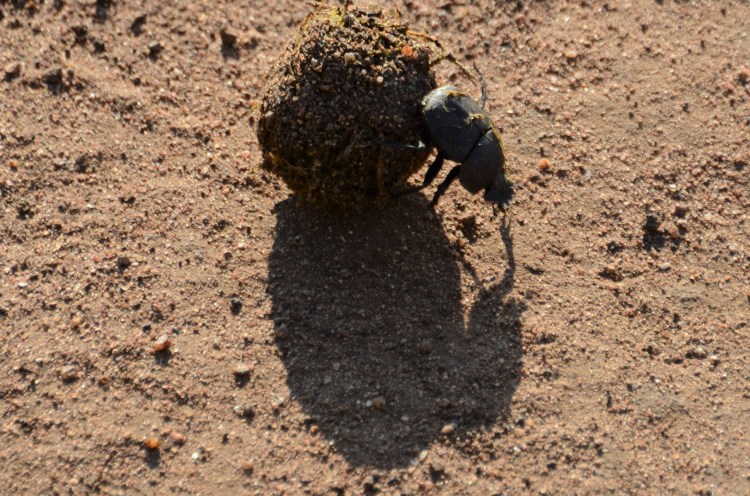
And a dung beetle hard at work. When Dung beetles carry or roll the dung away, they do so primarily to feed their young. Dung beetle nests are provisioned with poop, and the female usually deposits each individual egg in its own tiny dung sausage. When the larvae emerge, they are well-supplied with food, enabling them to complete their development within the safe environment of the nest.

DSC_4856 (2)

When it comes to poop, the fresher the better (at least from the dung beetle perspective)

Once a dung patty has dried out, it’s less palatable to even the most dedicated poop eater. So dung beetles move quickly when an herbivore drops a gift in the pasture. One scientist observed 4,000 dung beetles on a fresh pile of elephant scat within 15 minutes after it hit the ground, and shortly thereafter, they were joined by an additional 12,000 dung beetles. With that kind of competition, you have to move quick if you’re a dung beetle.With so many dung beetles vying for the same pile of poop, a beetle needs to make a quick getaway once he’s rolled his dung ball. But it’s not easy to roll a ball of poop in a straight line, especially when you’re pushing your ball from behind using your hind legs. So the first thing the dung beetle does is climb atop his sphere and orient himself.

Scientists had long observed dung beetles dancing on their poo balls  and suspected they were looking for cues to help them navigate. New research confirmed that at least one species of African dung beetle, Scarabaeus satyrus, uses the Milky Way as a guide to steering its dung ball home. The researchers placed tiny hats on the dung beetles, effectively blocking their view of the heavens, and found the dung beetles could only wander aimlessly without being able to see the stars. Couldn’t resist passing on this little bit of knowledge, it may help in a game of trivia.

 DSC_4862

Now time for sundowners.

IMG_20170306_181705

DSC_4874

DSC_4876

IMG_20170306_182736

A wonderful day and then we were treated to a fun evening of entertainment with our hosts.

Day 20 – Hoyo Hoyo Safari Lodge


Today we left Joburg and flew to Kruger Park.

Kruger

There were heavy rains in the area the day before that washed out roads and a key bridge that was on the planned route to Hoyo Hoyo Safari Lodge. As a result we had to take a circuitous route on a very rough road that also seemed to have suffered from the recent rain. The trip took about 3 1/2hrs, clearly google maps hadn’t accounted for the poor road conditions.

Hoya

On route to Hoyo Hoyo we did have a few sightings.

DSC_4724 (2)

DSC_4725

DSC_4719

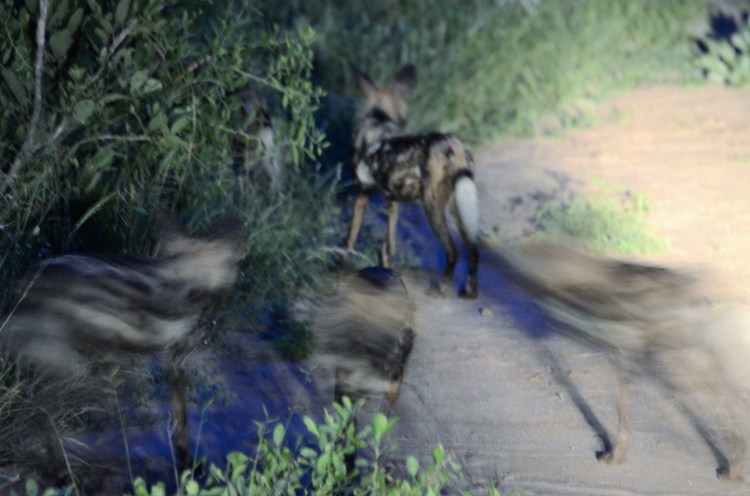
We also saw a pack of wild dogs but it was getting dark and they wouldn’t stay still so photos were a challenge.

DSC_4726 (2)

IMG_20170305_200729

Day 19 – Johannesburg

After checking into the DaVinci Hotel in Sandton last night Mel attended a get together with friends from her high school as part of the 40th reunion celebrations.

Saturday morning Mel and I visited her mom while the rest of the group went on a guided tour Joburg.

20170304_093927For the rest of the day Mel attended  Roedean Foundation Day. Roedean turned 114  the first weekend in March and each year the school celebrates the birthday on the first Friday in March and on the first Saturday Old Girls come from all over the world to celebrate her birthday. This year there was a large group of Old Girls who graduated 40 years ago who came to celebrate.

FB_IMG_1489149393266

That evening we had dinner with Mel’s nephew and his wife at Marble Restaurant.

Day 18 – Last Day in Namibia

Breakfast at the lodge and hit the road at 7:30am. We had to alter our planned route to Windhoek due to washed out roads following yesterdays storm.

Windhoek

The explosion of Bushmans Grass, the greening of shrubs and array of flowers hadn’t been seen for close to 5 yrs.
IMG_20170303_084421

IMG_20170303_093726 (2)


IMG_20170303_094049 (2)

We arrived at Windhoek airport 5 1/2hrs later just in time for another impressive thunderstorm. It was raining so hard they were escorting passengers 2 at time out to the airplane  with umbrellas. We flew at 35,000 ft  to Johannesburg but the pilot still had to navigate around thunderheads that towered thousands of feet above us.


Day 17 -Sossusvlei

Another early start to get to the park gate at sunrise (when they opened) so that we could beat the heat and still have morning lighting and shadows on the dunes for pictures and hiking. It was a rare paved road through the park but the last 5km required four wheel drive through deep sand.

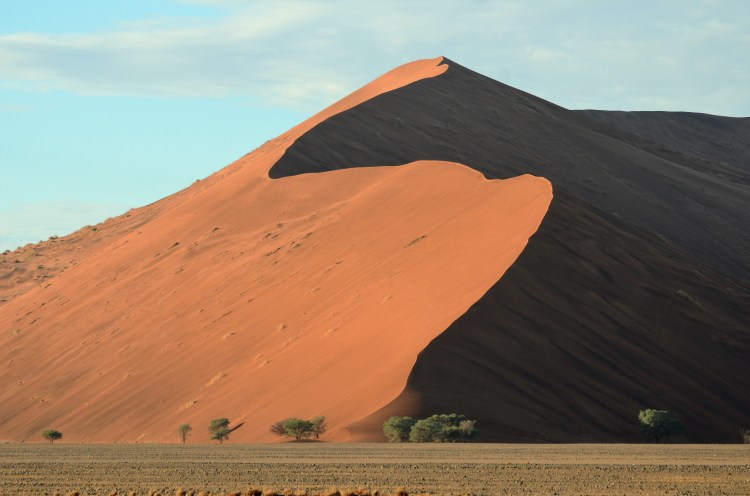
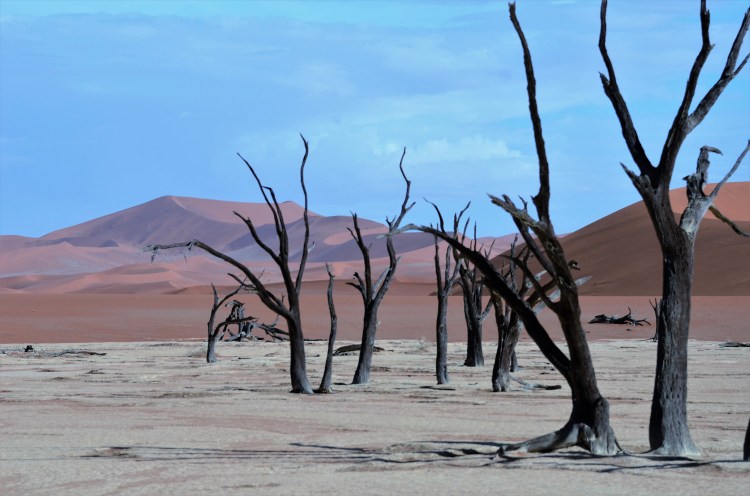
Situated in the largest conservation area in Africa (the Namib-Naukluft National Park), Sossusvlei is possibly Namibia’s most spectacular and best-known attraction. Characterised by the large red dunes that surround it, Sossusvlei is a large, white, salt and clay pan. The dunes in this area are some of the highest in the world, reaching almost 400 meters. The dunes  were created by sand carried by the wind from the coast of Namibia.  The sand here is 5 million years old and is red in colour due to its iron oxide content.  As the lighting changes with the time of day, so does the appearance of the dunes’ characteristic colour, allowing for interesting photographs at any time. The wind in the Sossusvlei area blows from all directions, which means that the type of the dunes here are known as “star dunes”.  This is because the winds cause the sand to form a star shape with multiple arms.
DSC_4621

From the parking lot we hiked up the ridge of a dune over looking the Deadvlei. From the top we had stunning views and then took off our shoes and clambered down the leeward side of the dune into the Deadvlei. Due to the recent rain and still being shaded the sand was cool under our bare feet.

We walked back through the Deadvlei

DSC_4677

to our trucks and drove another 1 km to Sossusvlei. Sossusvlei literally translates to “dead-end marsh”, as it is the place where the dunes come together preventing the Tsauchab River to flow any further, some 60km east of the Atlantic Ocean.  However, due to the dry conditions in the Namib Desert the River seldom flows this far and the pan remains bone-dry most years.  During an exceptional rainy season the Tsauchab fills the pans.

Despite the harsh desert conditions in the area, one can find a wide variety of plants and animals that have adapted to survive.


Now it was starting to get hot so we headed back to our camp and had a picnic lunch and watched as a storm gathered around us.

IMG_20170302_121134

It seemed to come from all directions and when it hit the skies opened with very impressive rain and an amazing thunderstorm. We all scrambled to our tents and tried to have naps while thunder rolled through the skies above us and rain flooded into our tents. Can’t remember a more impressive storm. Later that afternoon we went for a sundowner drive and again had a magnificant sunset while enjoying our sundowners.

Following sunset we were driven back to the Lodge for another outdoor dinner.

IMG_20170302_175551

Day 16 – Namib-Naukluft National Park

We left Swakopmund early to tackle the drive to the Namib-Naukluft National Park.

Sossusvlei

The scenery was stark but stunning.

Being the good Canadians that we are and being from Vancouver we brought rain to this area for the first time in 5 yrs. The rivers above haven’t flowed for years. As a result the desert was coming back to life.

IMG_20170301_130239 (2)

We stopped for a picnic lunch and to refuel in the metropolis of Solitaire.

We arrived mid afternoon and relaxed around the pool trying  our best to manage the 33c temp with high humidity.

We had a lovely outdoor dinner at the lodge.


Day 15 – Lizards and Snakes


This morning we signed up for a guided tour of the Namib Desert. We were driven by our guide in a 4 x 4 into the nearby desert for a very interesting and informative morning. The coastal dune belt may seem barren and lifeless, but in fact it is alive with a fascinating variety of little desert adapted animals, which are able to survive on the life-giving fog which consisdsc_4550tently rolls in from the cold Atlantic Ocean.

The transparent Namib Dune Gecko (Pachydactylus rangei) with webbed feet that are used to walk and dig in soft dune sand.


IMG_20170228_105322 (2)

This is  a legless Lizard (Fitsimmon’s Burrowing Skink).


IMG_20170228_111020 (2)


Sand Diving Lizards (Meroles Anchieta) that dance on the hot sand.


The photo on the left was what our guide spotted (those are eyes at the surface) and when disturbed this is what emerged, a Sidewinder Snake (Perinquey’s Adder).

Nearby  he also located these, and I promise you none of us ever would have known they were there. (a little disturbing)

This little fellow changed colour and his size when he was fed a mealy worm.

IMG_20170228_095059 (3)

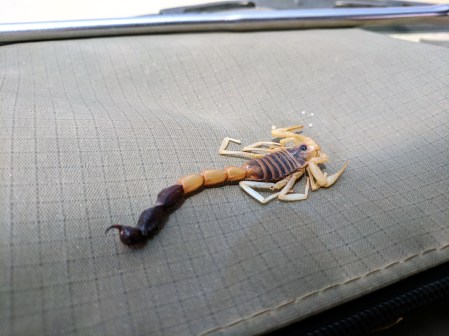
You have to watch where you step this is another very poisonous resident of the desert.IMG_20170228_115331 (2)